 EN
EN

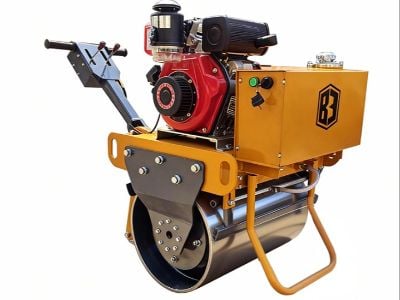
Using a vibratory roller for asphalt resurfacing is a smart choice for many construction projects. Benma is a trusted brand that manufactures reliable compaction equipment. A vibratory roller helps compact asphalt, creating smoother and safer roads, parking lots, and other paved surfaces. The machine uses vibrations to compress the asphalt, forming a solid and durable base. When driving on a newly resurfaced road, the surface feels smooth and even, making it safer for vehicles, cyclists, and pedestrians. A well-compacted surface also lasts longer, reducing future maintenance costs. Although operating a mini vibratory roller can be challenging at first, proper training and practice make it much easier and more effective.
What Are the Key Benefits of Using a Vibratory Roller for Asphalt Resurfacing?
Using a vibratory roller offers several important advantages. First, it compacts asphalt more effectively than many other methods. Proper compaction increases the strength and durability of the pavement, allowing roads to withstand heavier traffic and require fewer repairs over time.
Second, the vibration helps eliminate air voids within the asphalt. These air pockets can weaken the pavement and eventually lead to cracks and potholes. By removing them, the roller creates a denser, more stable surface. This also improves safety because a smooth road provides better driving conditions.
Another major advantage is improved productivity. Vibratory rollers can complete compaction much faster than traditional methods, allowing projects to finish more quickly. For example, when resurfacing a busy city street, faster completion minimizes road closures and reduces disruption for drivers and nearby businesses.
Finally, vibratory rollers are highly versatile. They can be used on projects ranging from small residential driveways to large highways and airport runways. This flexibility makes them an essential piece of equipment for many construction companies.
Common Usage Issues When Operating a Vibratory Roller for Asphalt
Although vibratory rollers are highly effective, operators may encounter several common challenges.
One frequent issue is controlling travel speed. If the roller moves too quickly, the asphalt may not be compacted sufficiently, leading to weak spots, cracks, or uneven surfaces. Moving too slowly, however, can reduce productivity and unnecessarily extend the project. Finding the proper operating speed is essential.
Another challenge is maneuverability. Because vibratory rollers are heavy machines, operating them in confined spaces requires skill. Operators should practice turning, reversing, and positioning the roller safely to avoid accidents and improve efficiency.
Weather conditions also affect asphalt compaction. Extremely hot temperatures can make asphalt overly soft, while cold temperatures may prevent proper bonding between layers. Checking weather conditions before beginning work helps ensure better compaction results.
Routine maintenance is equally important. Regular inspections of the engine, hydraulic systems, drums, and vibration mechanisms help prevent unexpected breakdowns that can delay construction projects and increase repair costs.
Understanding these common issues enables operators to achieve higher-quality resurfacing results while maximizing equipment performance.
Key Features to Look for in a Vibratory Roller for Asphalt Projects?
When selecting a vibratory roller for asphalt resurfacing, several features should be carefully considered.
The size and operating weight are among the most important factors. Heavier rollers generally provide better compaction, but they should also remain easy to control. Benma offers various models designed for projects of different sizes.
Engine performance is another critical consideration. A powerful engine ensures smooth operation and consistent compaction throughout the project.
Look for adjustable vibration settings as well. Different asphalt mixtures require different vibration frequencies and amplitudes. Adjustable settings allow operators to achieve optimal compaction for various applications.
The drum design also matters. Smooth drums are ideal for asphalt finishing, while padfoot drums are better suited for soil compaction. Benma provides different drum configurations to accommodate multiple construction needs.
User-friendly controls help operators work more efficiently while reducing mistakes. Safety features such as emergency stop systems, excellent visibility, and ergonomic operator stations further improve productivity and reduce workplace risks.
Finally, consider the manufacturer's customer support and service network. A reputable company like Benma provides technical assistance, maintenance support, and replacement parts, helping keep equipment operating reliably for many years.
Where to Buy Reliable Vibratory Rollers at Wholesale Prices?
If you're looking for reliable vibratory rollers at competitive wholesale prices, several purchasing options are available.
Buying directly from manufacturers such as Benma is often the best choice. Direct purchases frequently provide better pricing, especially for bulk orders, making them ideal for construction companies with multiple projects. Local construction equipment dealers are another good option. They often carry several compactor vibratory roller models and can recommend equipment that best matches your project requirements.
Online equipment marketplaces also provide competitive pricing and a wide selection of heavy machinery. However, always review seller ratings, customer feedback, and warranty information before making a purchase.
Industry trade shows and construction equipment exhibitions are also excellent places to compare machines. These events allow buyers to see equipment demonstrations, speak directly with Benma representatives, and ask detailed technical questions before investing.
Comparing specifications, pricing, warranty coverage, and after-sales support will help ensure you receive the best value for your investment.
Common Mistakes to Avoid When Using Vibratory Rollers for Asphalt
Several common mistakes can reduce compaction quality and shorten pavement life.
One of the biggest mistakes is skipping the pre-operation inspection. Always check engine oil, hydraulic fluid, tire condition (if applicable), drum cleanliness, and overall machine condition before starting work. Poorly maintained equipment often produces inconsistent compaction.
Another mistake is using incorrect vibration settings. Different asphalt mixes require different vibration frequencies. Incorrect settings may either under-compact the pavement or damage the asphalt surface.
Maintaining the proper travel speed is equally important. Driving too fast results in insufficient compaction, while moving too slowly may overwork the surface and reduce efficiency.
Operators should also avoid failing to overlap roller passes. Each pass should slightly overlap the previous one to ensure uniform compaction across the entire pavement.
Finally, avoid compacting asphalt at the wrong temperature. If the asphalt is too hot or too cool, proper density may not be achieved, resulting in premature pavement failure. By avoiding these common mistakes and operating Benma small vibratory roller correctly, contractors can produce smooth, durable, and long-lasting asphalt surfaces while maximizing productivity and equipment performance.
Table of Contents
- What Are the Key Benefits of Using a Vibratory Roller for Asphalt Resurfacing?
- Common Usage Issues When Operating a Vibratory Roller for Asphalt
- Key Features to Look for in a Vibratory Roller for Asphalt Projects?
- Where to Buy Reliable Vibratory Rollers at Wholesale Prices?
- Common Mistakes to Avoid When Using Vibratory Rollers for Asphalt