 EN
EN

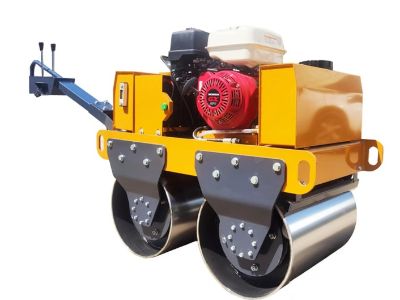
Surface cracking on roads and other pavements can be a major issue. When cracks show up, they grow and make the surface not safe for vehicles. It also leads to costlier fixes down the line. That’s where Benma’s vibratory rollers step in. These machines are built to repair and stop surface cracking. They do this by pressing down the soil and making it firm. This process removes air voids and forms a flat, level area. Using a mini vibratory roller is a good method to ensure pavements endure more and remain safe for all.
How Vibratory Rollers Handle Surface Cracking Well?
Vibratory rollers are strong tools that use shaking to press various surfaces, such as asphalt or dirt. As the roller moves over, it vibrates the ground to push away air and close up spaces. This makes the surface way tougher. For instance, on a road with cracks, the small vibratory roller helps seal them by pressing the stuff around. And this prevents water from entering the cracks and causing more harm.
In addition, these rollers work great in many situations. No matter if the weather is hot or cold, they can perform fine. Vibratory rollers also handle different materials, like gravel. So they are useful for lots of building jobs. Think about making a new parking area or fixing a street. With this, using a vibratory roller makes the base solid, which stops future cracks.
Many construction folks like vibratory rollers because they are simple to operate. One person can run it, saving time and worker costs. Plus, they cover big spots fast. That means jobs finish quicker, a plus for the team. So, for dealing with surface cracks, Benma’s vibratory rollers are a top pick, giving power and speed.
What Makes Vibratory Rollers Key for Fixing Surface Cracks?
Vibratory rollers are vital in building work. They are important because they help stop cracking before it begins. A good pressed base changes everything. When soil is packed tight, it is less prone to crack under heavy use. That’s why builders often pick vibratory rollers for new layers. They know these tools will build a sturdy base.
Benma’s vibratory rollers have various adjustments to fit the surface needs. For soft areas, you can tune the shake to avoid too much pressing, which could cause damage. This adaptation is why they are popular with workers. They fit many tasks, from small paths to big roads.
Also, vibratory rollers are a greener choice. They cut down on repeat fixes and upkeep, saving stuff and energy. Fewer repair trucks mean less pollution. In this sense, vibratory rollers help the planet while doing a great job.
Benma’s vibratory rollers play a big part in handling surface cracking.
They boost surface strength, adjust to conditions, and support a better environment. With them, builders can keep roads and paths safe and tough for years. When buying good vibratory rollers at bulk prices, check local suppliers or online spots. Benma focuses on tough, reliable rollers ideal for crack fixes. From Benma, you get a solid product that lasts. Do some checking first. See customer reviews to know how they work. Or call Benma’s service for details on features and your needs. Bulk buys often get deals, so team up if you are on a project. Ask for warranties too, for reassurance. If you are unsure on the model, Benma folks can guide you to the right one. From a good source, your roller will tackle cracks easily and quickly.
Vibratory rollers are great for repairing surface cracks, with lots of perks.
They press soil, asphalt, and such really well. So, when using one, you fill cracks and get an even, strong top. An even surface stops water from seeping in, avoiding worse issues later. Another plus, they save time. No need for hand work on cracks, which takes forever; a roller does it fast. Projects end sooner, so you move on. Also, they cost less overall. Good fixes now avoid big repair bills if cracks grow. Benma’s ones are easy to use, even for newbies. In all, vibratory rollers save time, cash, effort, and give fine results.
To get the most from vibratory rollers on crack jobs, follow basic steps. First, prep the spot right. Clear loose junk near the cracks. This lets the roller do better and bond tight with the fill material. Then, pick suitable stuff for the cracks. Based on the size, use the right asphalt or concrete. Benma can suggest what pairs with their rollers. After prep, run the roller at the right pace. Too quick gives uneven work, and too slow does not press enough. Overlap the passes a bit to cover all. And always follow safety rules. Wear helmets and gloves to keep the team safe. In these ways, you use the roller to its full potential for good, fast repairs.