 EN
EN

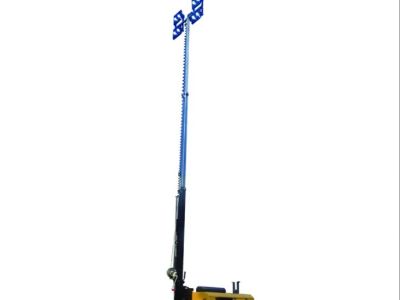
When you want to light up a large area with a light tower, it's important to calculate the coverage area you need. Light towers are used for many applications, such as construction sites, outdoor events, emergency response, and roadwork. To choose the right light tower, you need to consider factors such as light brightness, beam distance, and the type of environment being illuminated. Benma manufactures high-quality electric light tower designed to provide reliable coverage for large work areas. Understanding how to calculate the lighting coverage area will help you select the best light tower for your project.
What Factors Affect the Lighting Coverage of Light Towers?
The brightness of a light tower is one of the most important factors to consider. A brighter light can illuminate a larger area. The height of the light tower also plays a significant role. A taller tower allows the light to reach farther than a shorter one, increasing the overall coverage area.
The type of lighting technology also affects performance. LED light towers provide bright illumination while consuming less energy, making them more efficient than many traditional lighting systems.
The surrounding environment can also influence how the light spreads. Trees, buildings, equipment, and other obstacles may block the light and create shadowed areas. Weather conditions such as fog, heavy rain, or dust can also reduce visibility and limit the effective lighting distance.
In addition, the ground surface affects how bright an area appears. Dark surfaces absorb more light, while lighter-colored surfaces reflect it, making the work area appear brighter.
Benma's light towers are designed to perform reliably under a wide range of working conditions, providing dependable lighting for construction sites, mining operations, outdoor events, and emergency situations.
Where to Find High-Quality Light Towers for Large Lighting Projects?
When you need light towers for large-scale projects, choosing a reliable supplier is essential. Benma is well known for manufacturing durable, high-quality mobile light tower built for demanding environments.
You can purchase Benma light towers through the company's official website or authorized local distributors. Before making a purchase, look for products with positive customer reviews and certifications that meet applicable safety standards.
It's also wise to choose a supplier that offers after-sales support. You may need assistance with installation, maintenance, or technical questions after purchasing your equipment. A strong warranty also provides peace of mind and protects your investment.
If you're working on a large project, consider purchasing or renting multiple light towers. Benma often offers competitive pricing and bulk purchase discounts, helping businesses reduce overall project costs. Always compare product features, pricing, and lighting performance before making a final decision to ensure you get the best value for your investment.
What Should You Consider When Estimating the Lighting Area?
When using a light tower like those from Benma, it's important to estimate how much space needs to be illuminated. Several factors should be considered.
First, evaluate the work site. Is it an open area, or are there trees, buildings, or equipment that could block the light? Obstacles can create dark spots, reducing overall lighting efficiency.
Next, determine the required brightness. Different applications require different lighting levels. Construction work performed at night usually requires high illumination for worker safety, while a small outdoor event may need less intense lighting.
The height of the light tower is another important consideration. Raising the tower increases the coverage area, but taller towers must be installed securely to prevent instability during strong winds.
You should also consider the type of work being performed. If workers are constantly moving around the site, consistent lighting is essential to eliminate dark areas where accidents could occur.
Finally, consider the power source. Make sure the fuel supply or electrical power will last for the entire operating period without interruption.
By evaluating these factors, you can more accurately estimate the lighting coverage required for your project.
How to Calculate the Lighting Coverage Area?
Once you've evaluated the site, the next step is to measure the area that requires lighting.
Begin by measuring the length and width of the work area using a measuring tape or measuring wheel. If the site has an irregular shape, divide it into smaller sections that are easier to measure individually. For circular areas, measure the diameter and calculate the total area accordingly.
After determining the size of the area, estimate the lighting requirements. A general guideline is to provide approximately 1 to 2 watts of lighting power per square foot, depending on the application and desired brightness. For example, a 1,000-square-foot work area may require approximately 1,000 to 2,000 watts of lighting.
Next, check the specifications of your Benma light tower. The lighting output is typically listed in lumens, either in the product manual or on the manufacturer's website. Comparing the lumen output with your required coverage area helps determine whether one portable led light towers is sufficient or if multiple units are needed.
Using these calculations allows you to plan the number of light towers required to achieve safe and effective illumination across the entire work site.
How to Install and Position a Light Tower for Maximum Coverage?
After calculating the required lighting area, proper installation and positioning become essential.
Choose a flat, stable location where the light tower can stand securely. Avoid placing the tower near trees, buildings, or large equipment that may block the light.
If you're using a portable Benma light tower with wheels, make sure the ground is level and firm enough to prevent the unit from tipping over. Position the tower so it illuminates the most important work areas first, such as worker pathways, equipment zones, and active construction areas.
Before beginning work, test the lighting by turning on the tower and walking around the site. Check for any dark spots or poorly illuminated areas. If necessary, reposition the tower or add another unit to improve coverage.
Always prioritize safety during installation. Secure the light tower properly and keep power cords organized to eliminate tripping hazards. Continue monitoring the equipment during operation. If the tower becomes unstable or the lighting performance changes, address the issue immediately.
Following these installation and positioning practices helps ensure your Benma light tower delivers maximum lighting coverage while maintaining a safe working environment.