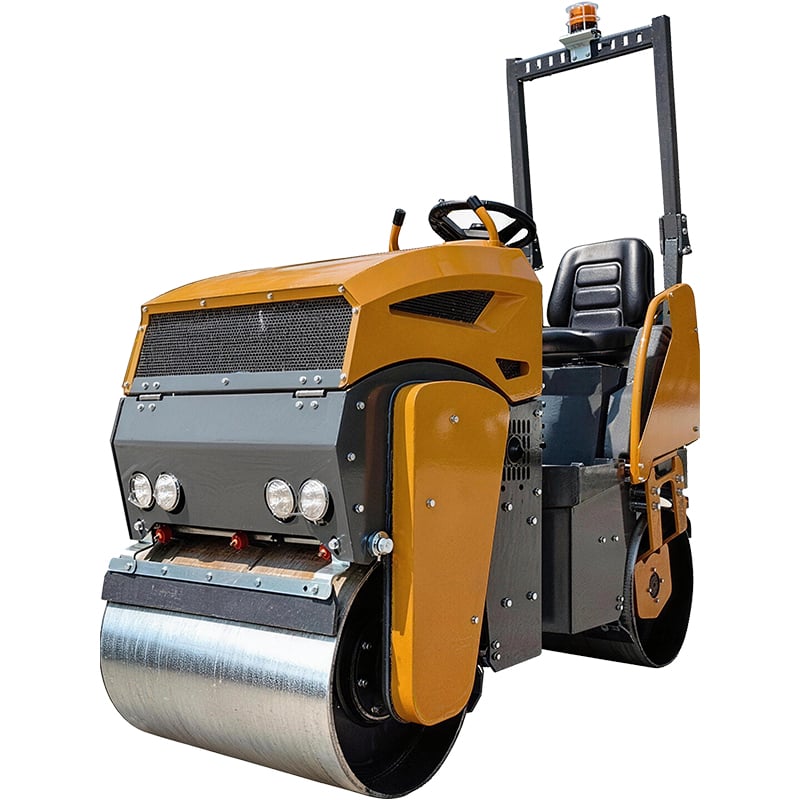
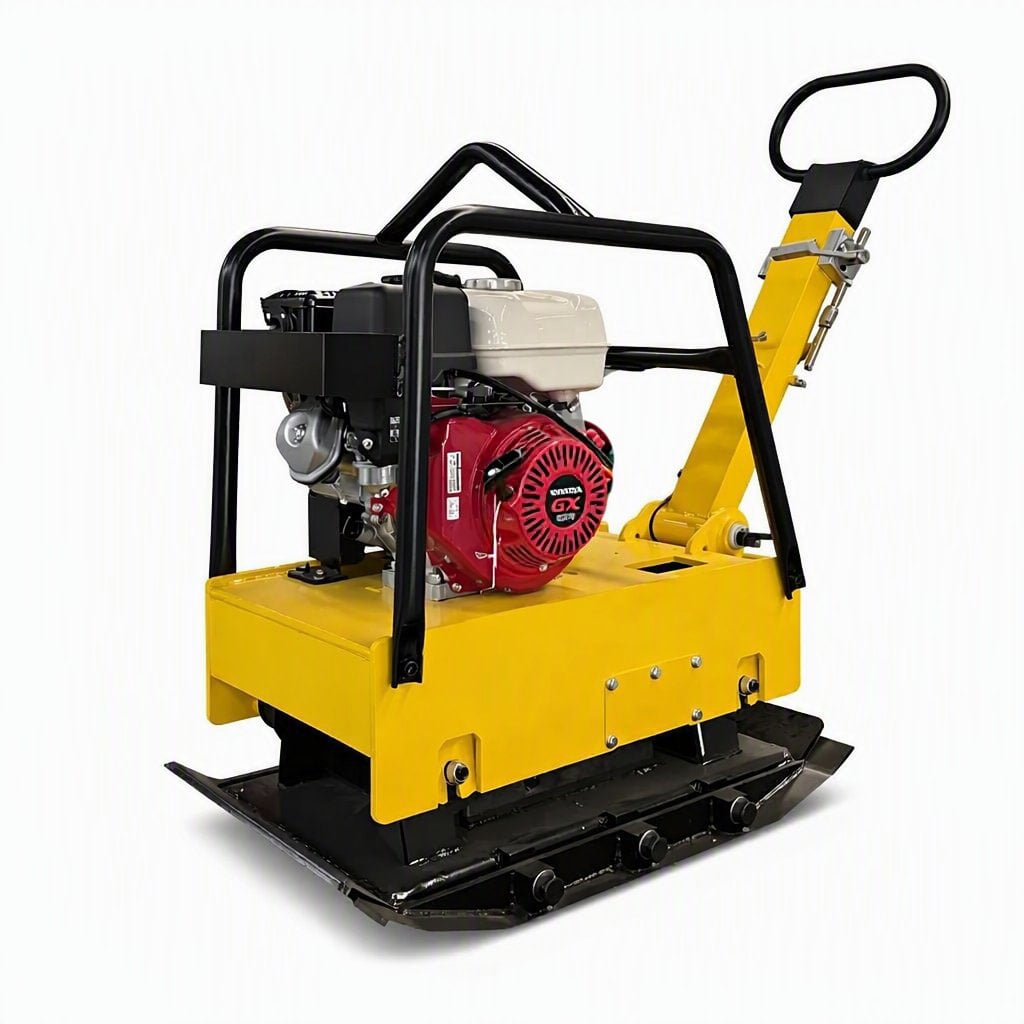
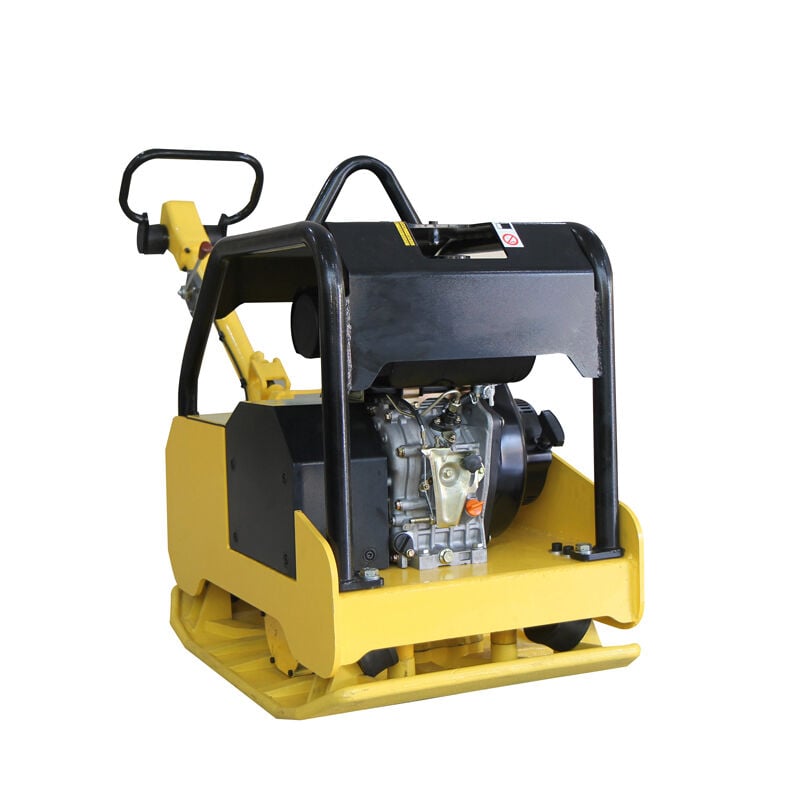
For small-scale road construction, landscaping, pavement repair, and narrow-area compaction, a 600kg hand-operated road roller is an efficient and practical solution. Among compact rollers, the BM60 hand-operated road roller is designed for applications where maneuverability, compact size, and reliable compaction performance are important.
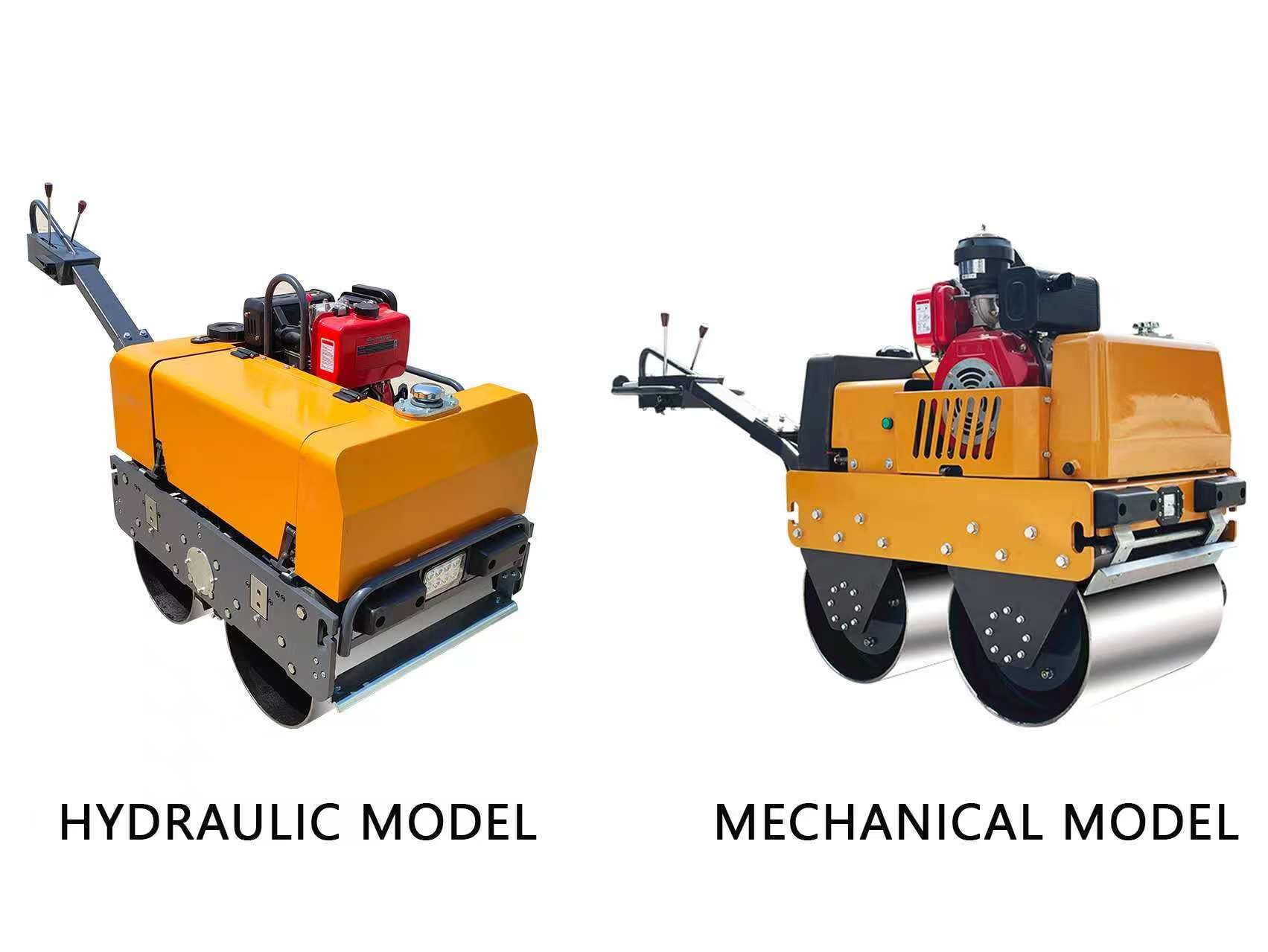
The BM60 is available in both hydraulic and mechanical configurations. Although both versions are designed for similar compaction applications, their transmission systems, operating characteristics, maintenance requirements, and application scenarios are different.
Understanding these differences can help contractors, rental companies, distributors, and equipment buyers choose the right machine for their projects.
What Is a BM60 Walk Behind Road Roller?
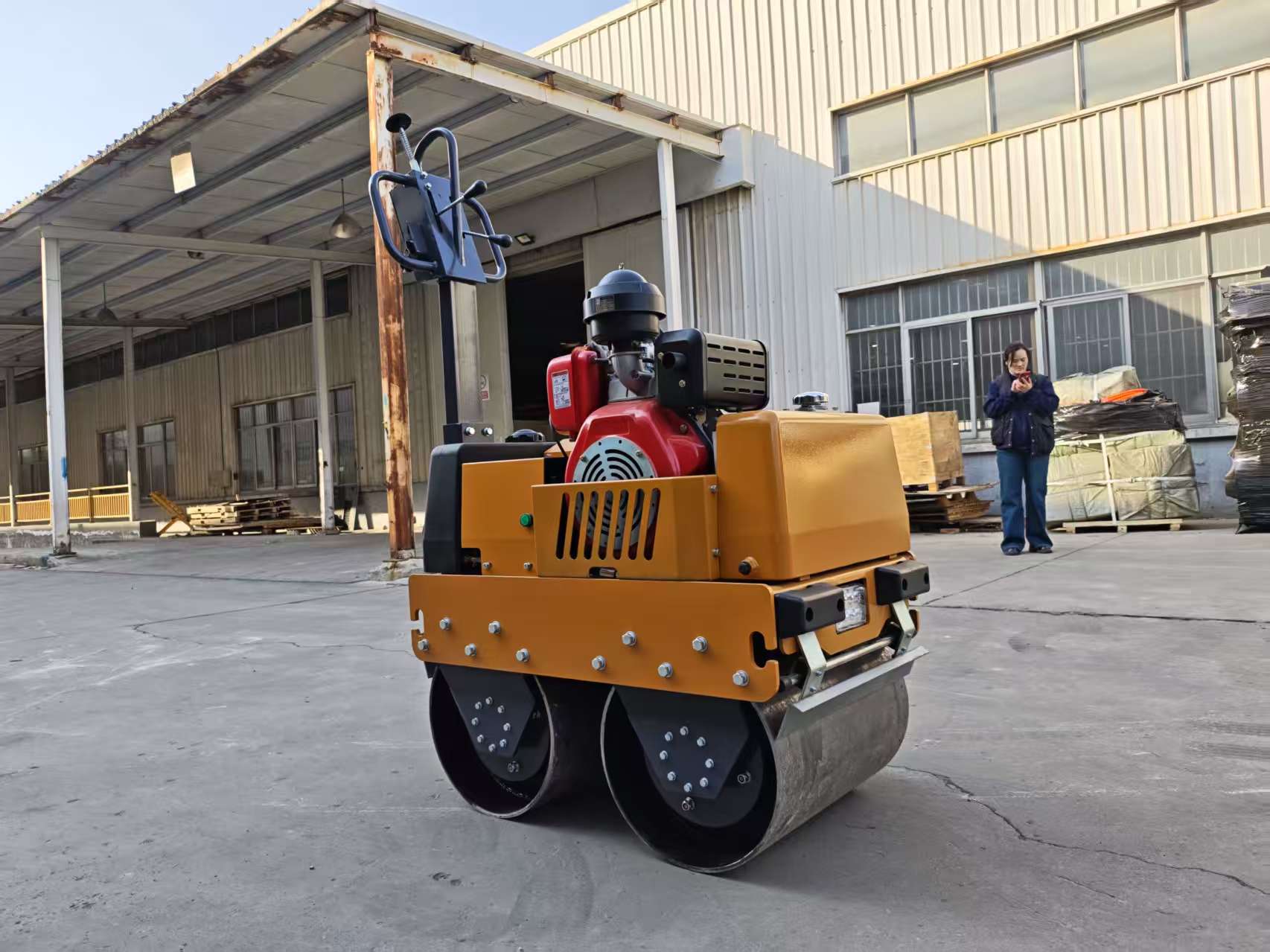
The BM60 is a compact walk-behind road roller with an operating weight of approximately 600 kg. Its small dimensions make it suitable for areas where larger rollers cannot operate efficiently.
Typical applications include:
Asphalt pavement repair
Road maintenance
Sidewalk construction
Bicycle paths
Parking areas
Landscaping projects
Driveways
Small construction sites
Narrow trenches and confined areas
Because the operator walks behind the machine, the BM60 provides good visibility and precise control in restricted working environments.
The main difference between the hydraulic and mechanical versions is the way power is transmitted from the engine to the roller's driving and vibration systems.
BM60 Hydraulic vs. Mechanical: What Is the Difference?
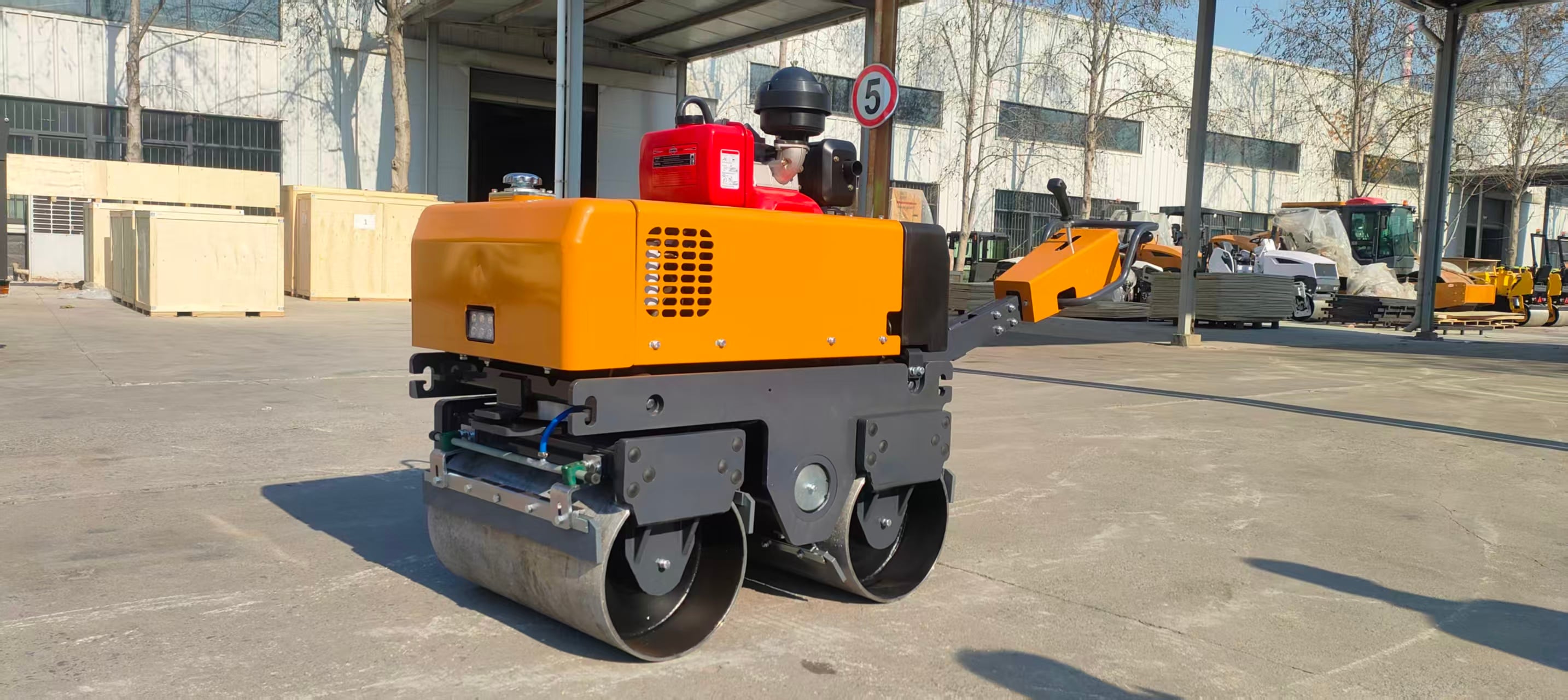
The most important difference is the power transmission system.
The hydraulic version uses a hydraulic system to transmit engine power to the driving and working components. The mechanical version relies primarily on mechanical transmission components such as belts, chains, gears, or mechanical clutches.
This difference affects how the machine starts, moves, operates, and is maintained.
| Feature | BM60 Hydraulic | BM60 Mechanical |
| Power transmission | Hydraulic | Mechanical |
| Driving control | Hydraulic control | Mechanical control |
| Operation | Smooth and flexible | Simple and direct |
| Speed control | Easier to adjust | Relatively fixed |
| Maneuverability | Excellent | Good |
| Transmission structure | Hydraulic components | Mechanical components |
| Maintenance | Requires hydraulic system maintenance | Relatively simple |
| Initial cost | Usually higher | Usually lower |
| Suitable applications | Frequent and professional use | General small projects |
1.Driving System
BM60 Hydraulic Version
The hydraulic BM60 uses hydraulic components to transmit power from the engine to the drive system.
This allows the operator to control the machine's forward and reverse movement more smoothly. Hydraulic transmission is particularly useful when precise movement is required.
BM60 Mechanical Version
The mechanical version transfers engine power through mechanical components.
Its structure is relatively straightforward, making it easy to understand and maintain. For customers who prioritize simplicity and economical operation, the mechanical version can be an attractive option.
The mechanical configuration is particularly suitable for users who do not require frequent speed adjustments or highly precise maneuvering.
2. Operating Experience
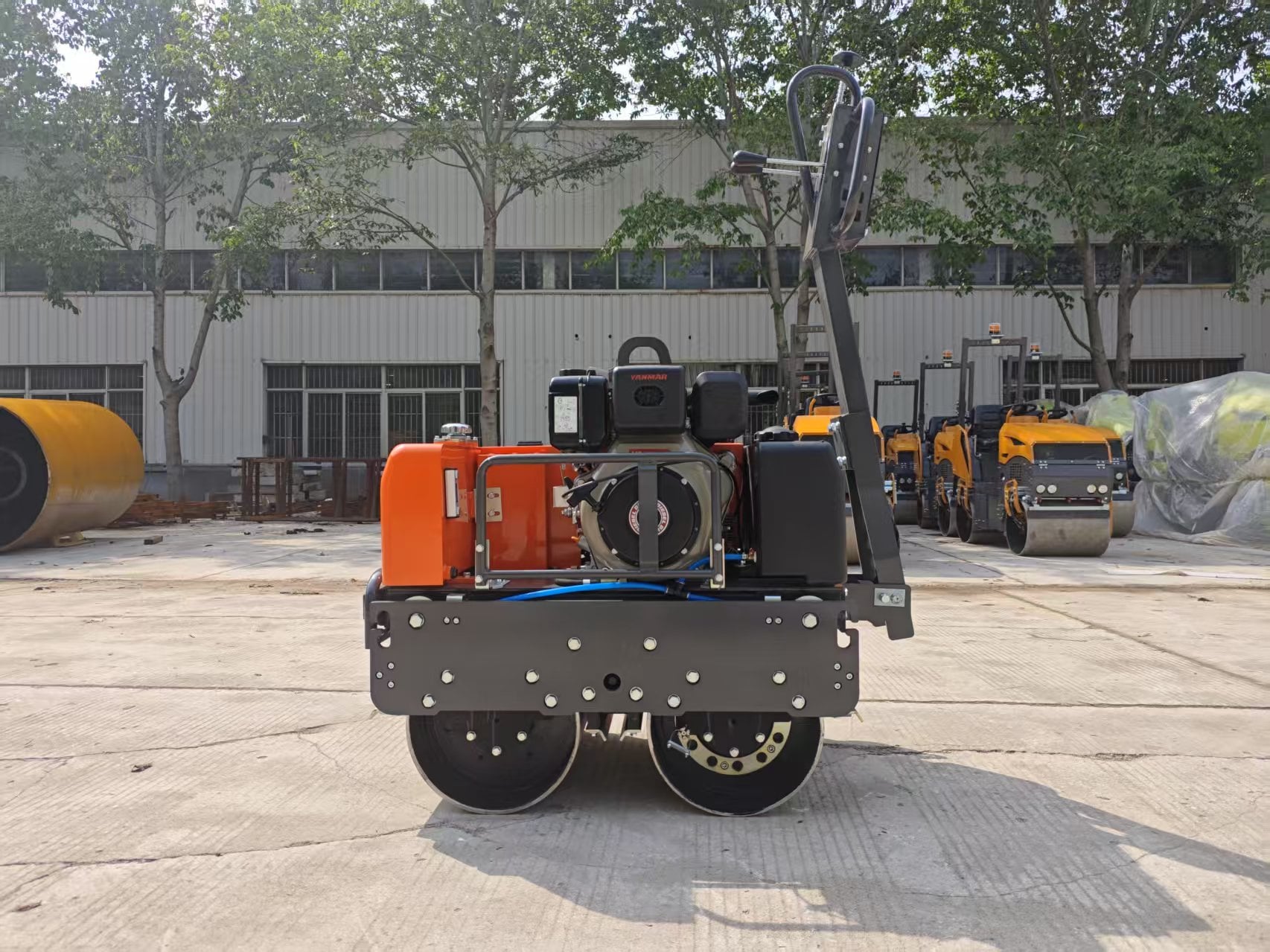
The hydraulic version generally provides smoother control during forward and reverse operation. The operator can adjust the machine's movement according to the working environment.
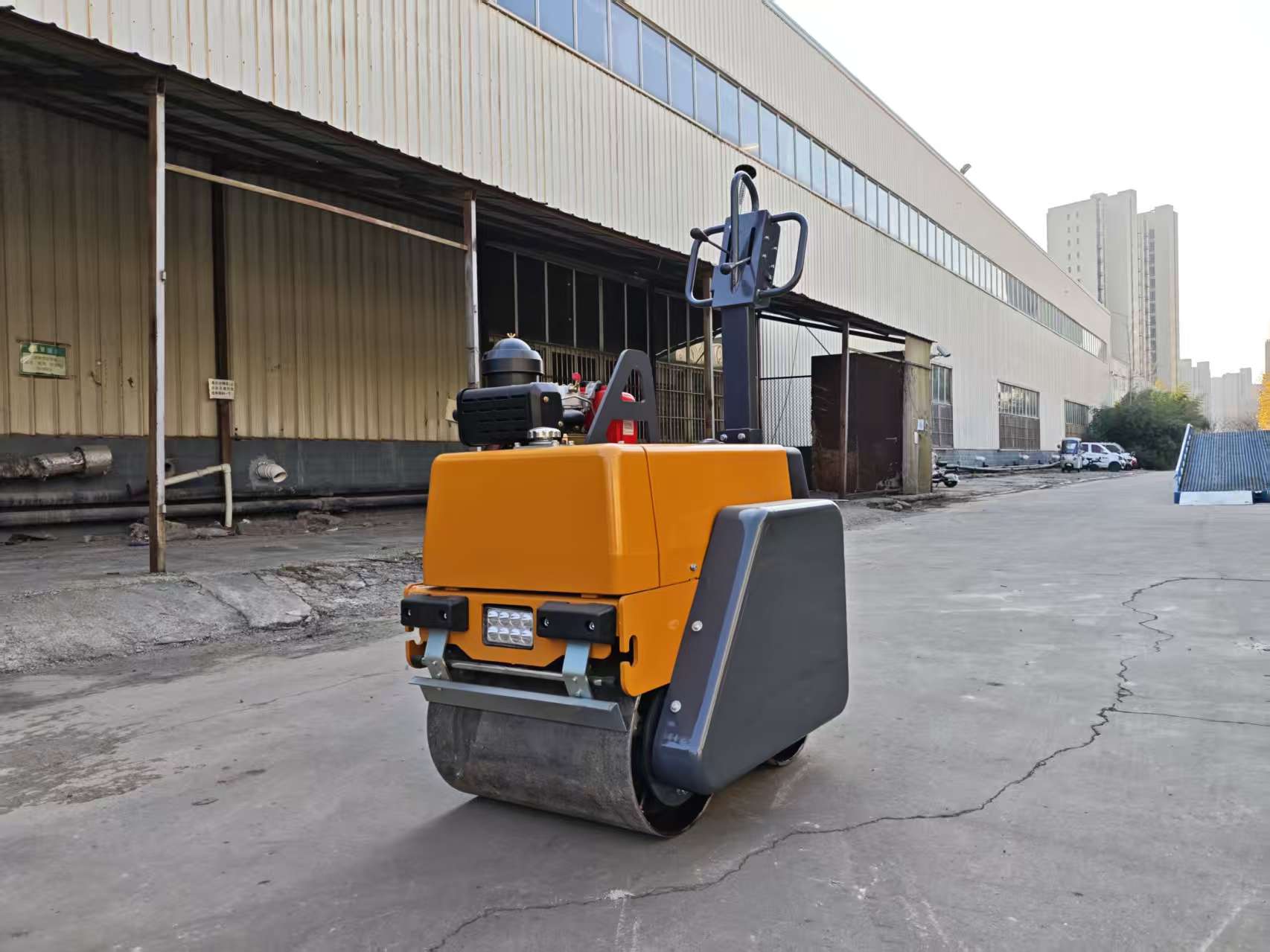
The mechanical version provides a more traditional operating experience. Its controls are straightforward and familiar to operators who prefer simple mechanical equipment.
3. Maneuverability
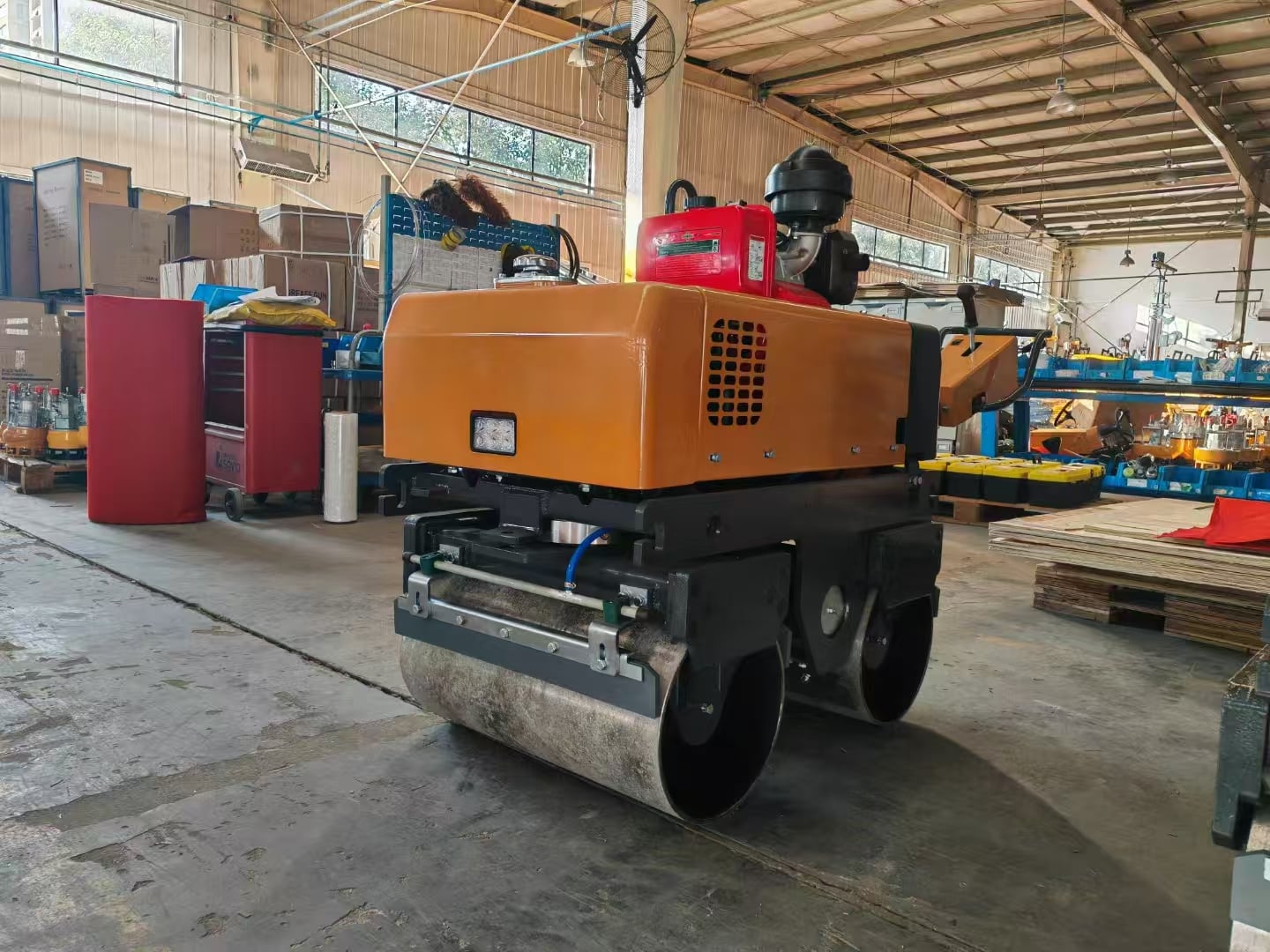
For a small walk-behind roller, maneuverability is extremely important.
A hydraulic transmission system can provide smoother changes in travel direction and better control at low speeds.
This gives the hydraulic BM60 an advantage in applications where the operator frequently needs to:
Stop and start
Change direction
Work in confined areas
Make short compaction passes
Adjust travel speed
The mechanical BM60 also provides good maneuverability, but its control characteristics are generally more direct.
4. Maintenance Requirements
Maintenance is another important consideration when choosing between the two versions.
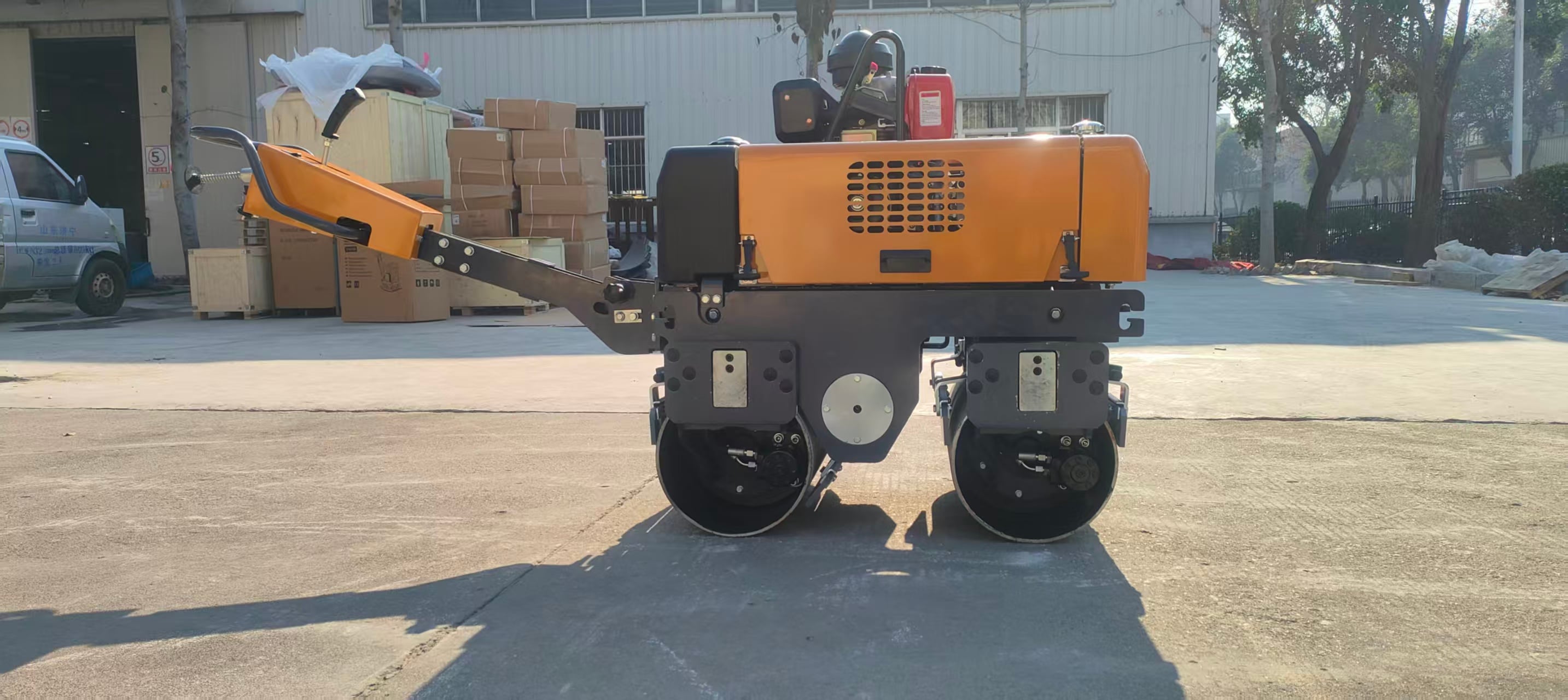
Hydraulic BM60
The hydraulic version requires regular inspection of:
Hydraulic oil
Hydraulic hoses
Hydraulic fittings
Hydraulic pump
Hydraulic motor
Oil seals
Keeping the hydraulic system clean and maintaining the correct oil level are important for long-term performance.
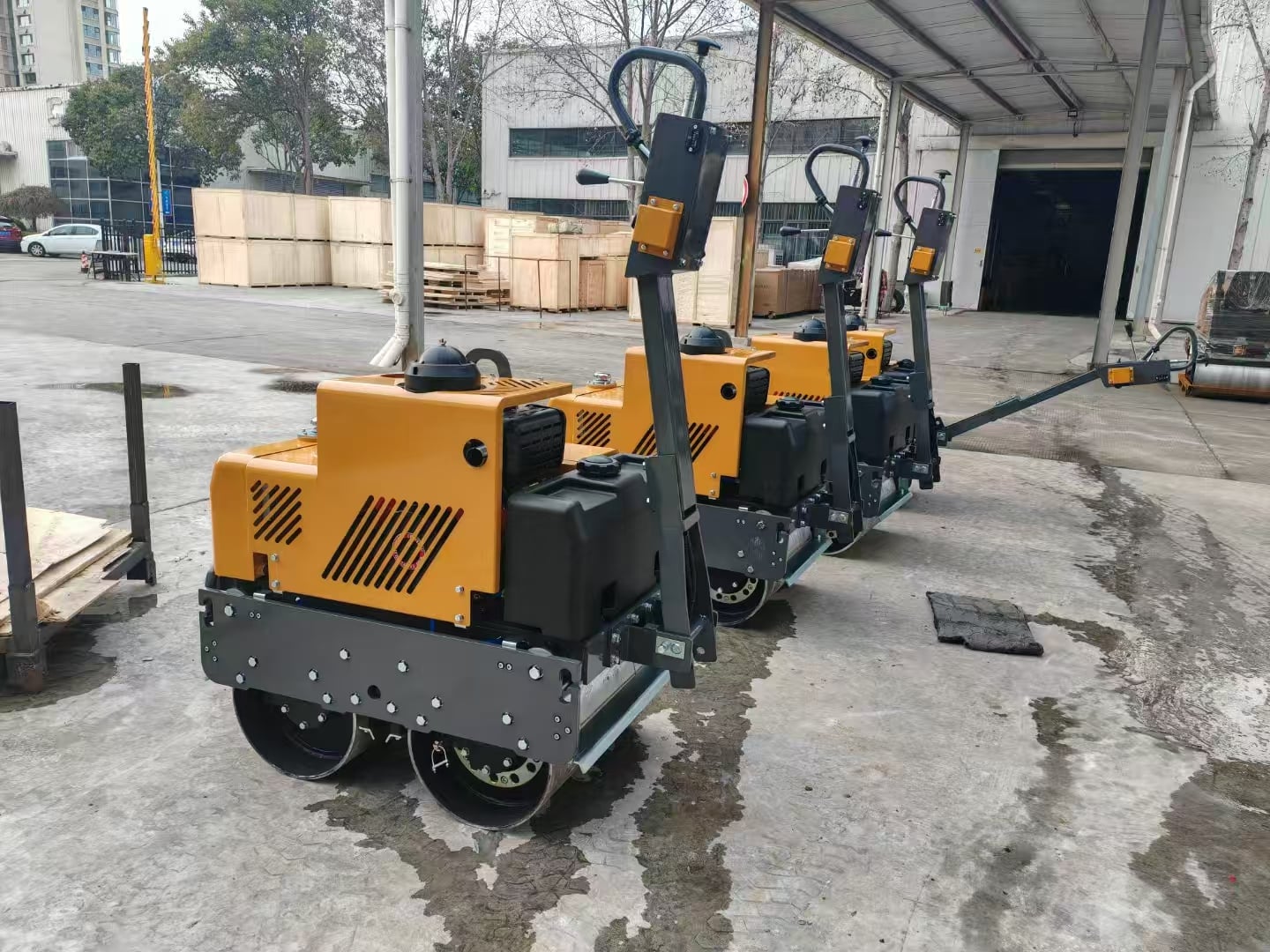
Mechanical BM60
The mechanical version has a simpler transmission structure.
Maintenance generally focuses on:
Belts
Chains
Gears
Bearings
Lubrication points
Mechanical connections
For users who prefer a straightforward machine that can be serviced easily with conventional mechanical tools, the mechanical version can be a practical choice.
5. Purchase Cost
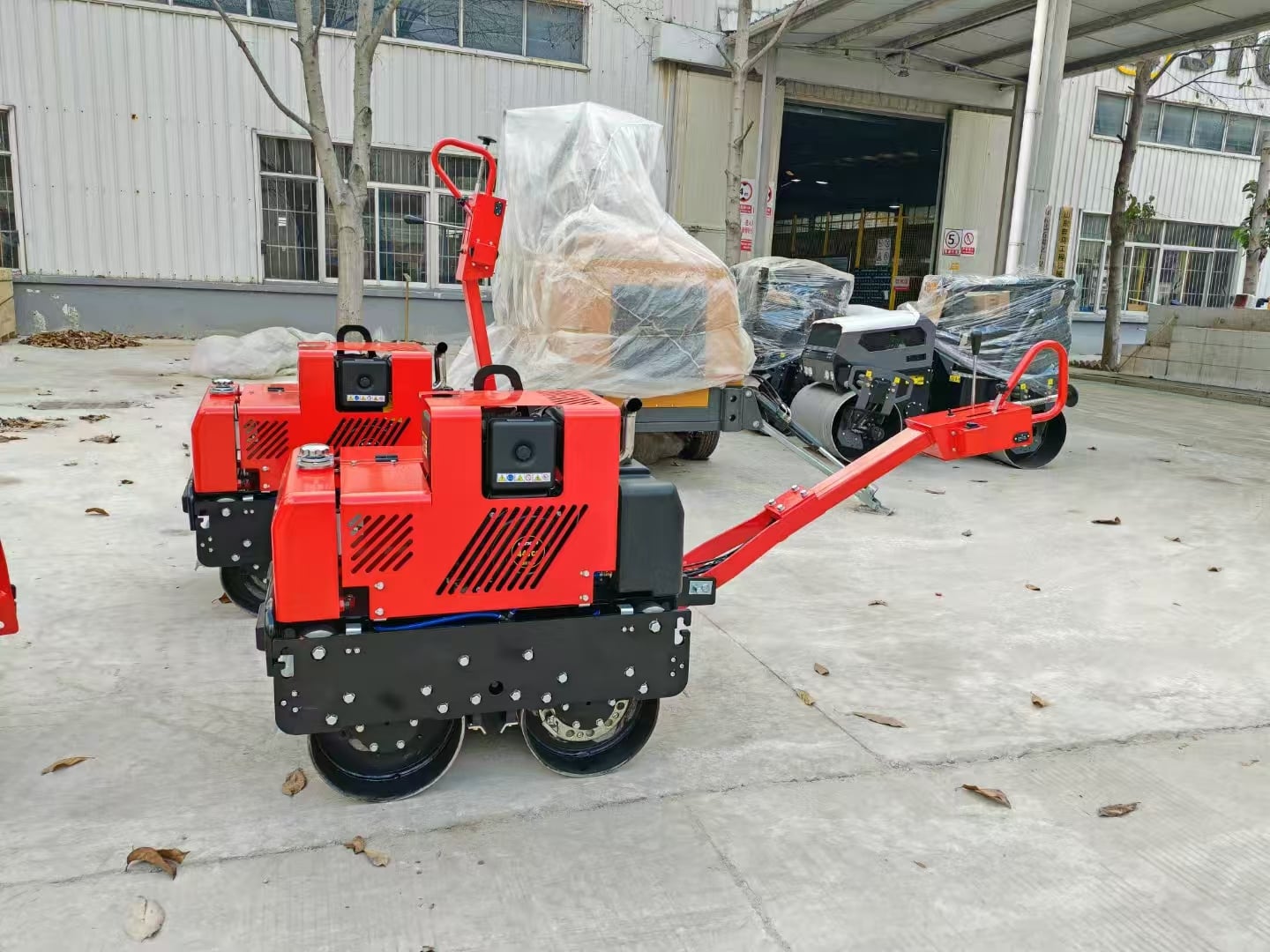
In general, the hydraulic version has a more complex transmission system and therefore may have a higher initial purchase cost.
The mechanical version usually has a simpler structure and can offer a more economical entry price.
However, purchase price should not be the only factor considered.
For professional contractors or rental companies that use the roller frequently, the smoother operation and improved controllability of the hydraulic version may provide greater value over the machine's service life.
For occasional users, small contractors, or customers with budget-sensitive projects, the mechanical version may provide a better balance between cost and functionality.
The easiest way to understand the difference is to consider the priorities of each system.
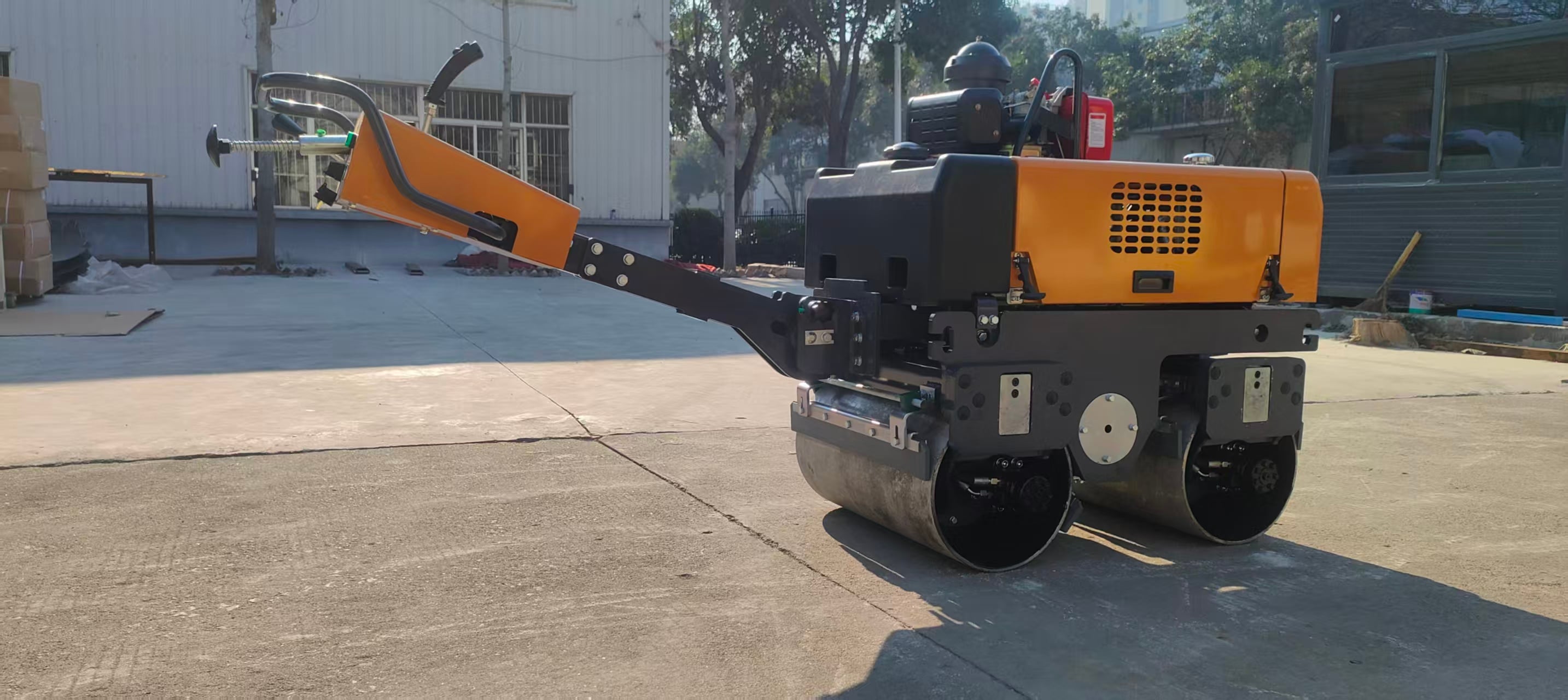
Hydraulic BM60:
Better control + smoother operation + higher flexibility.
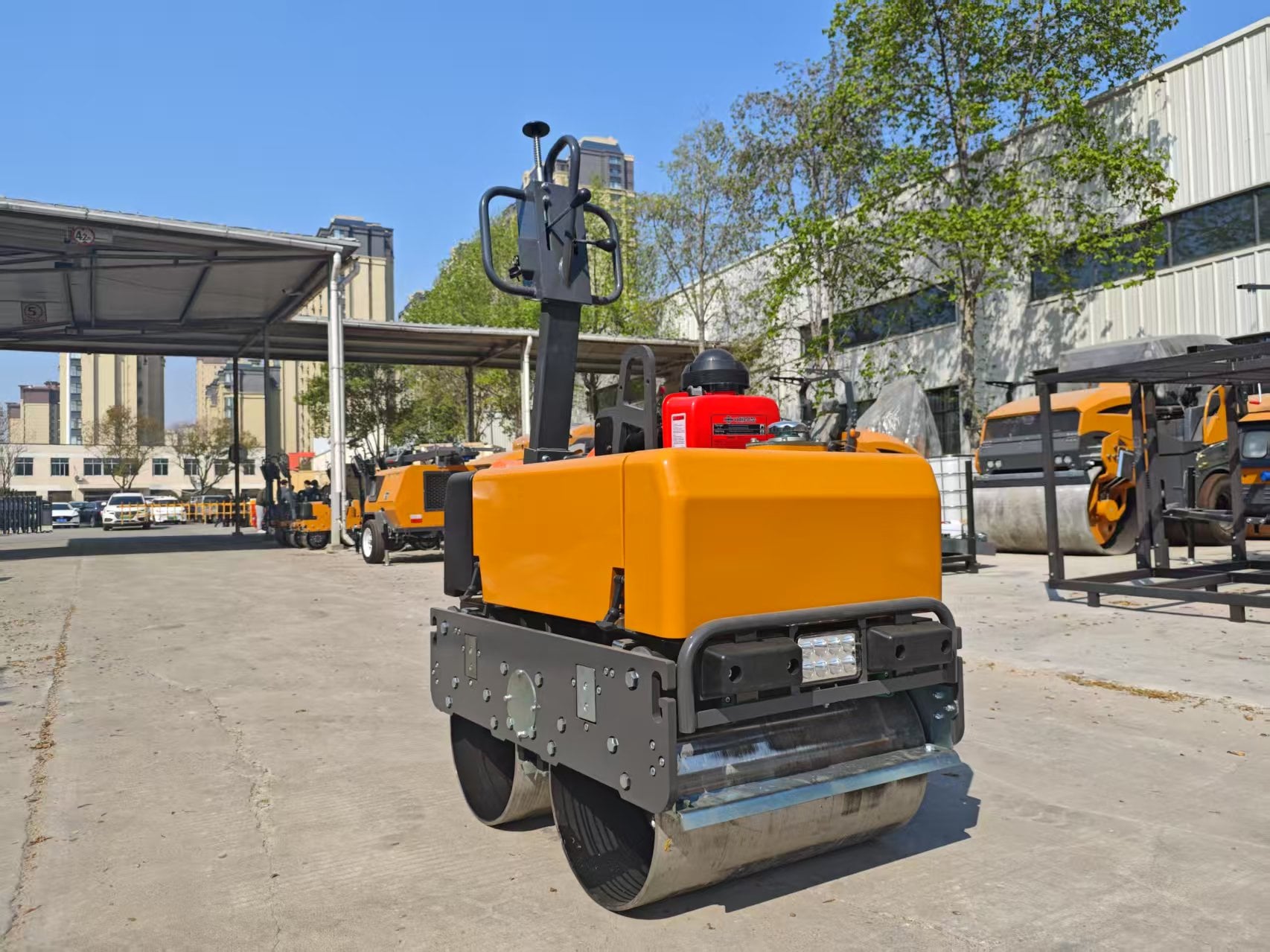
Mechanical BM60:
Simpler structure + easier maintenance + lower initial cost.
Both configurations can provide effective compaction for small construction and road maintenance projects.
The key is selecting the configuration that matches the actual operating conditions.
 Hot News
2026-10-09
2024-10-21
2024-09-18
2023-11-01
2023-09-13
2023-09-08
 EN
EN