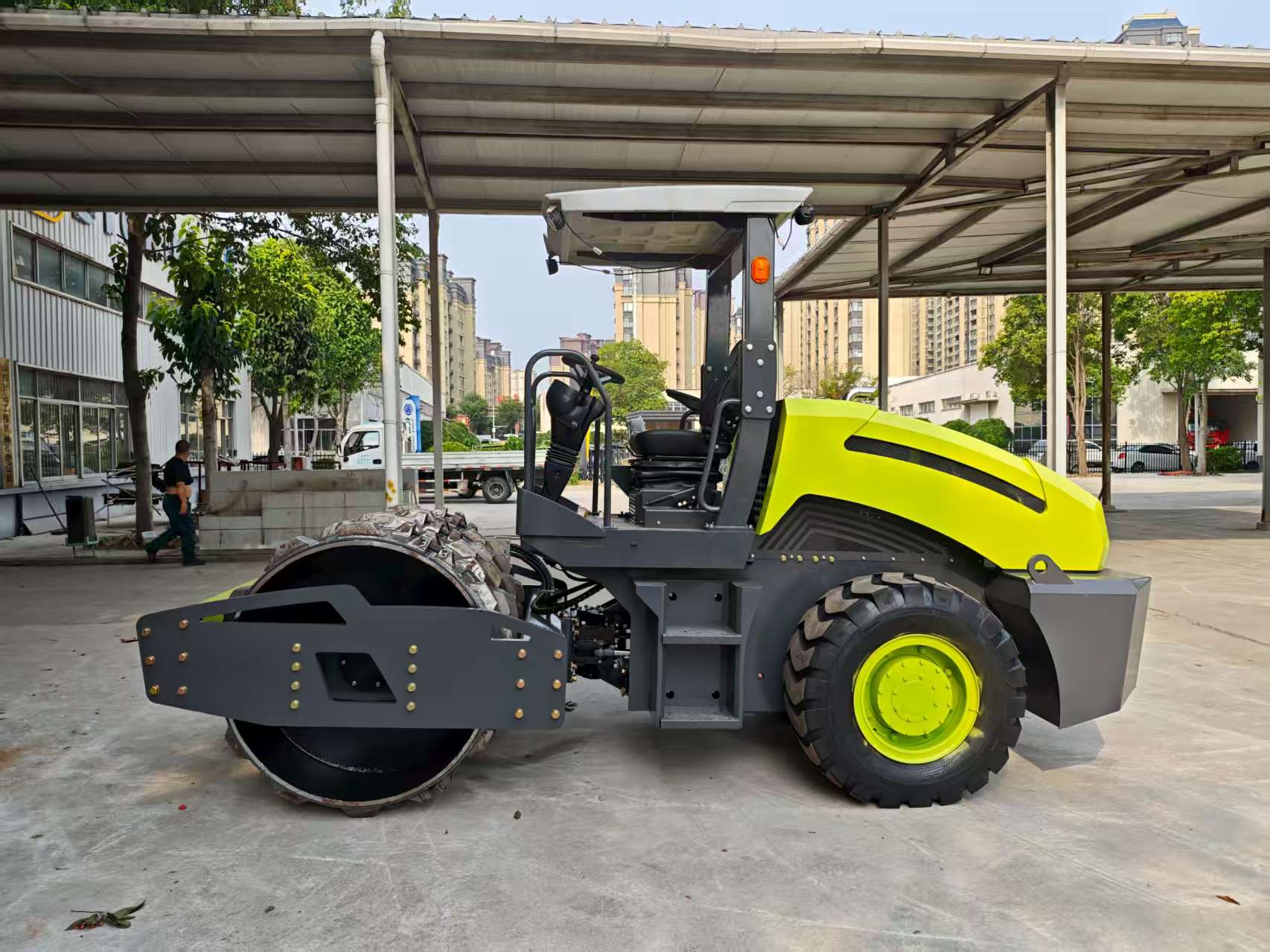
In modern construction environments, work sites are rarely completely flat or uniform. From mountain road construction to rugged terrain and roadbed embankment, construction equipment must maintain reliable performance under challenging operating conditions. One crucial—yet often overlooked—factor in this context is the compactor's gradeability.
Gradeability directly impacts construction efficiency, operational safety, and the ultimate success of a project. Therefore, it is a key technical specification that buyers should never overlook when selecting equipment.
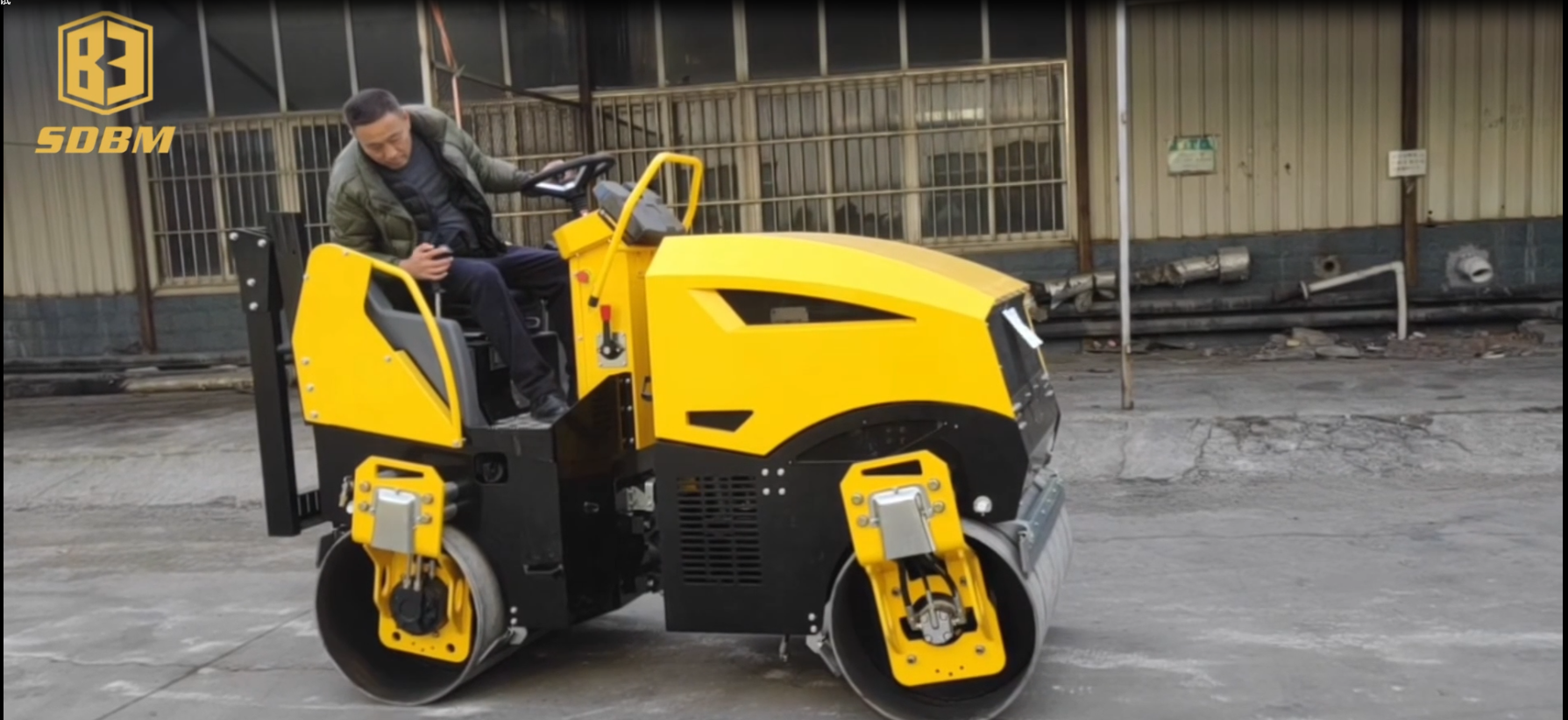
What Is Compactor Gradeability?
Gradeability (also referred to as climbing ability or slope adaptability) refers to the maximum slope a compactor can safely ascend, typically expressed as a percentage (%).
For example:
A 30% slope ≈ Moderate incline
A slope exceeding 40% ≈ Steep terrain
Higher gradeability means the machine can efficiently handle slopes, ramps, and uneven ground.
@sdbm.roadmachine Stronger. Faster. Smarter compaction. Your next road roller is here. 📩 Contact us today #RoadRoller #Construction #HeavyMachinery #SDBM #RollerMachine #RoadConstruction #B2B #OEM #compactor #asphaltroadroller ♬ 原聲 - SDBM Storike
Why Is Gradeability So Critical?
1. Ensuring Safety on Slopes
Operating heavy machinery on an incline inherently carries certain risks. If a compactor lacks sufficient gradeability, it may lead to:
● Loss of traction (slippage)
● The vehicle rolling backward down the slope
● Instability in the machine's center of gravity
Conversely, a machine with high gradeability offers:
● Stronger traction
● Stable center-of-gravity balance
● Enhanced safety assurance for slope operations
👉 This is particularly critical in road construction, mining operations, and hillside engineering projects. ---
2. Boost Construction Efficiency
A roller equipped with robust climbing capabilities can:
● Traverse the entire job site freely and maneuver flexibly
● Reduce the time required for machine repositioning and adjustment
● Eliminate the reliance on auxiliary equipment (such as towing tractors)
The Result:
✔ Accelerated project completion timelines
✔ Reduced labor costs and fuel consumption
3. Expand Application Scenarios and Scope
Exceptional climbing ability enables a roller to handle a wider variety of engineering projects, including:
● Construction of mountain roads
● Embankment filling and compaction for railway subgrades
● Compaction operations for dams and slopes
● Urban construction projects involving ramps and elevation changes
👉 Versatile functionality creates more opportunities to secure engineering contracts.
4. Enhance Compaction Quality
Consistent and stable compaction results require uniform coverage—and this applies equally to sloped surfaces.
Underperforming equipment may lead to:
● Missed areas on slopes
● Unevenly applied pressure
High-performance rollers, conversely, ensure:
✔ Uniform and consistent compaction
✔ Enhanced road durability
✔ Reduced maintenance costs
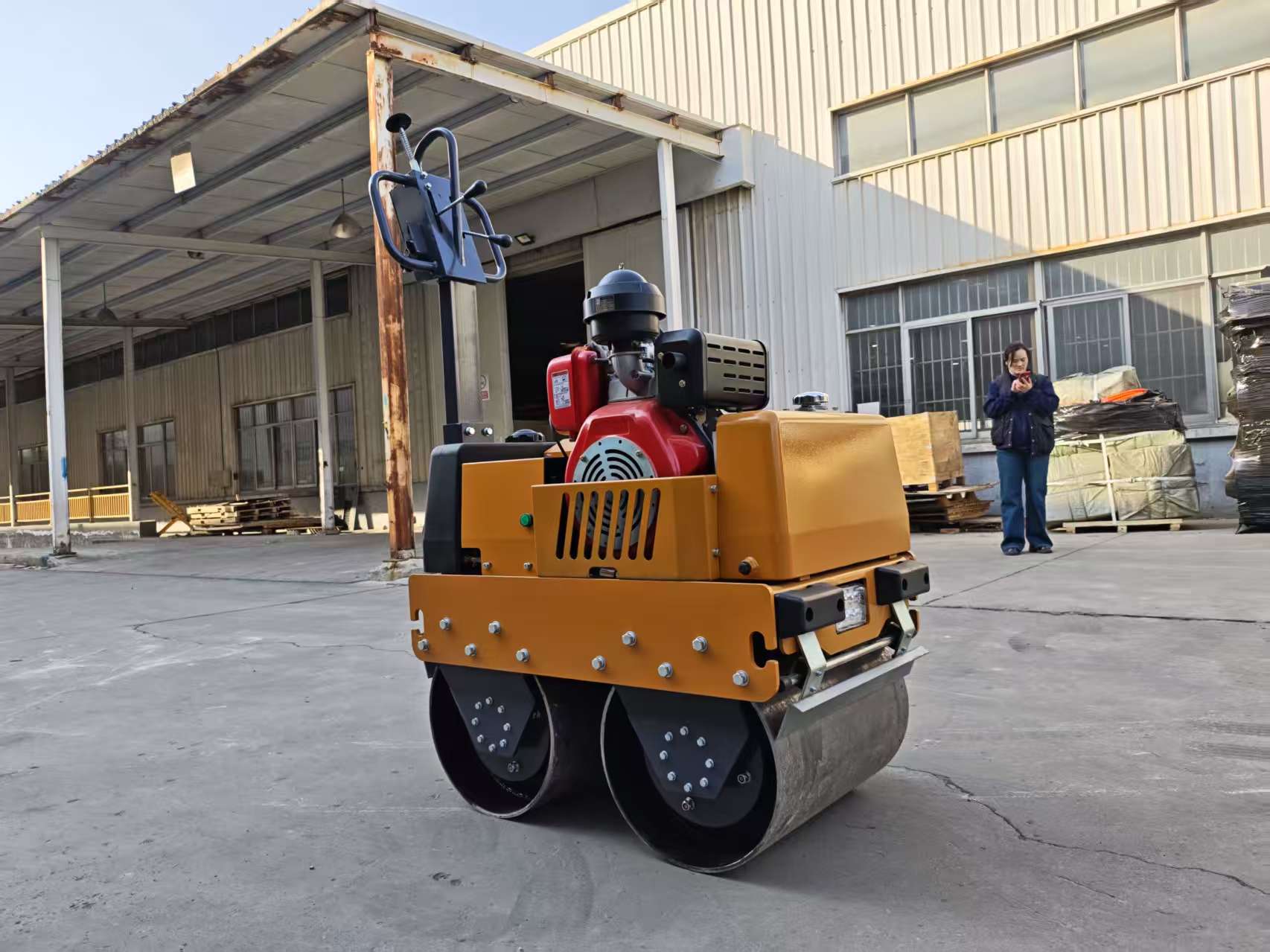
Key Factors Influencing Climbing Capability
1. Engine Power
Higher horsepower provides ample power, ensuring the equipment can ascend steep slopes even while under load.
2. Hydraulic System Efficiency
A high-quality hydraulic system ensures:
● Smooth power transmission
● Stable torque output
3. Equipment Weight and Counterweighting
An optimal weight distribution helps enhance:
Traction
Stability during slope operations
4. Compaction Drum Design and Traction*
Padfoot drums (with protrusions) enhance grip on loose soil
Smooth drums perform better on asphalt surfaces but require higher torque output
How SDBM Rollers Excel in Climbing Performance
At SDBM, exceptional climbing capability is engineered into the very design of every piece of equipment. Key Advantages:
● Equipped with a high-torque engine to ensure powerful climbing capability
● Features an optimized hydraulic system for smooth ascent operations
● Structural design incorporates balanced counterweights to ensure exceptional operational stability
● Delivers reliable traction across a wide variety of terrains
👉 Specifically engineered for the world's most demanding construction sites—far from being limited to flat surfaces alone.
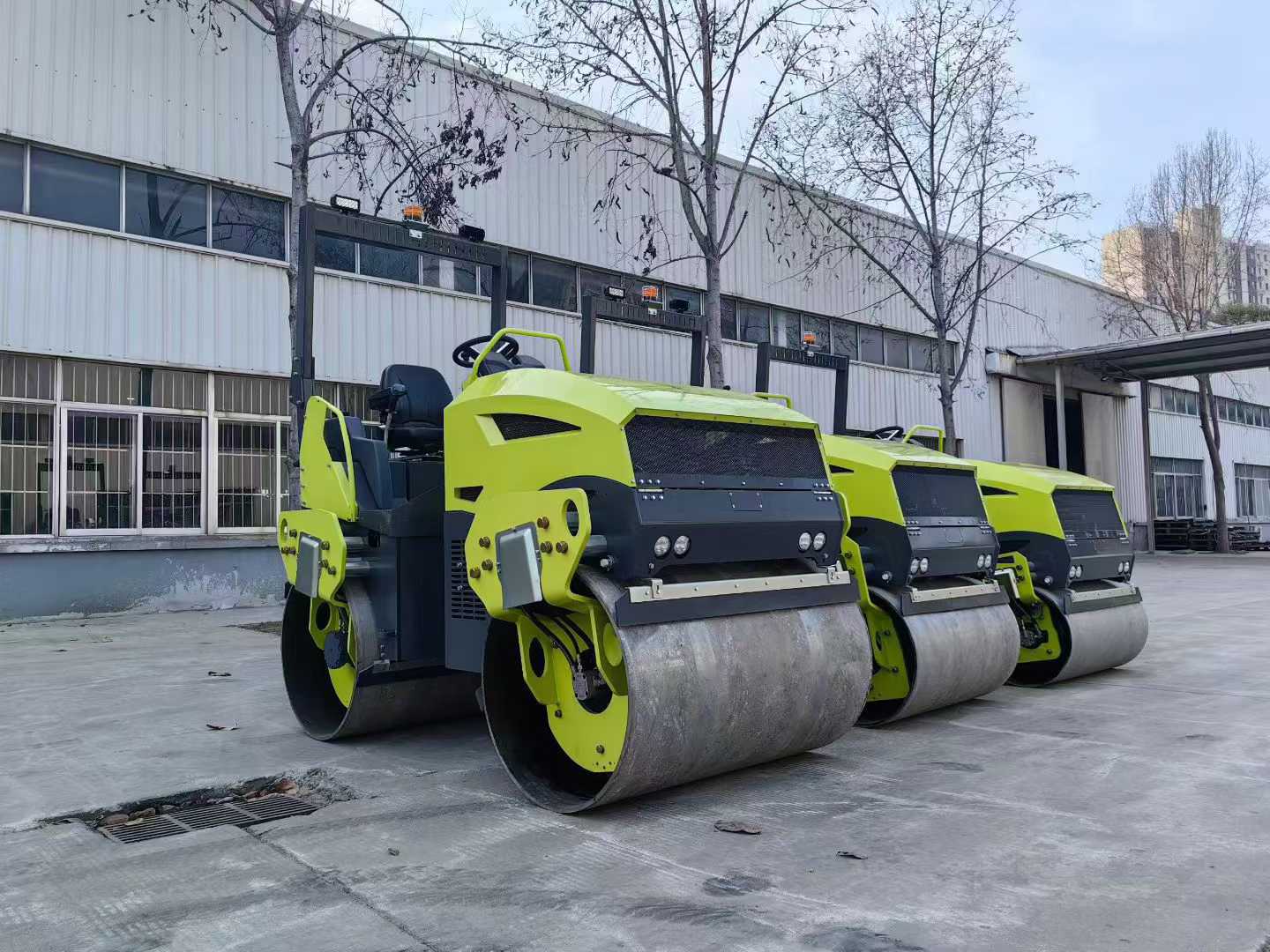
Choosing the Right Road Roller for Sloped Projects
When selecting equipment, be sure to consider the following factors:
Required climbing capacity (gradient percentage)
Terrain type (soil, asphalt, gravel, etc.)
Project environment (urban areas vs. mountainous or hilly regions)
Equipment dimensions and weight
💡 Expert Tip:
For projects involving frequent work on slopes, select a road roller with a climbing capacity of at least 30% to 40%.
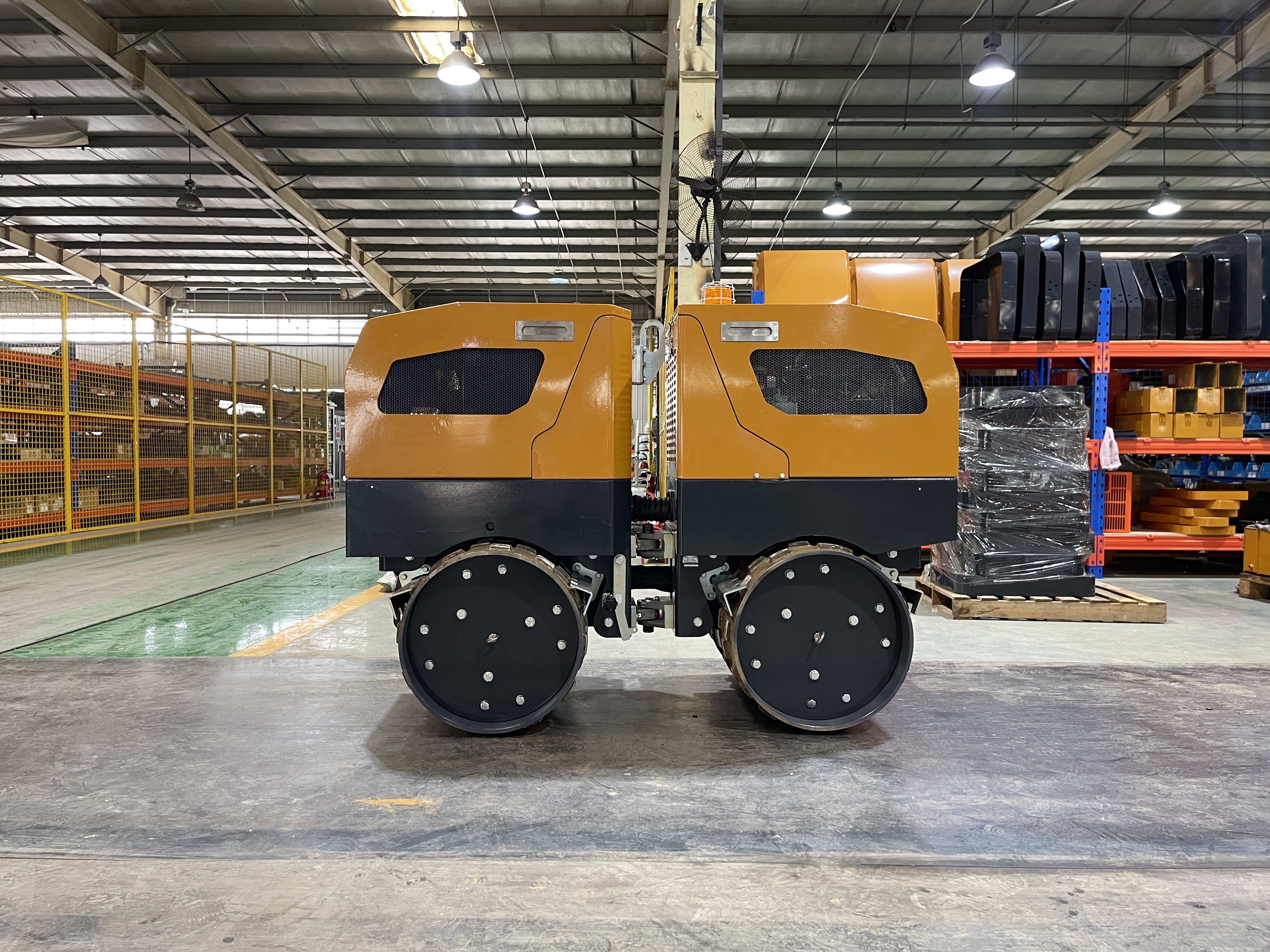
Climbing capability is more than just a technical specification—it is a critical performance factor that affects safety, efficiency, and long-term project quality.
Investing in a road roller with strong gradeability ensures:
●Safer operations
●Better compaction results
●Greater versatility across job sites
For contractors looking to maximize productivity in challenging environments, choosing the right machine makes all the difference.
 Hot News
2026-10-09
2024-10-21
2024-09-18
2023-11-01
2023-09-13
2023-09-08
 EN
EN